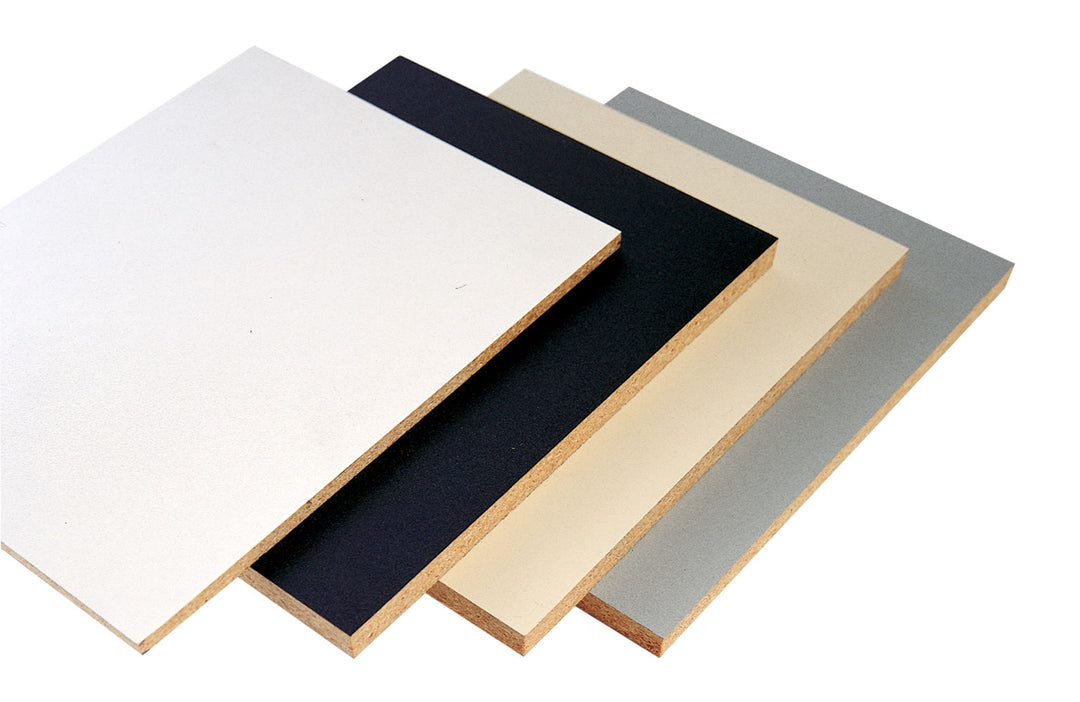
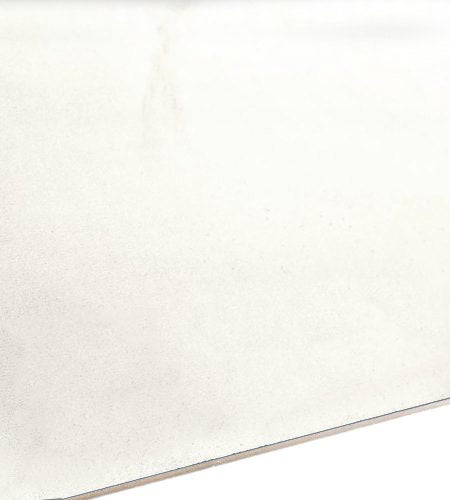
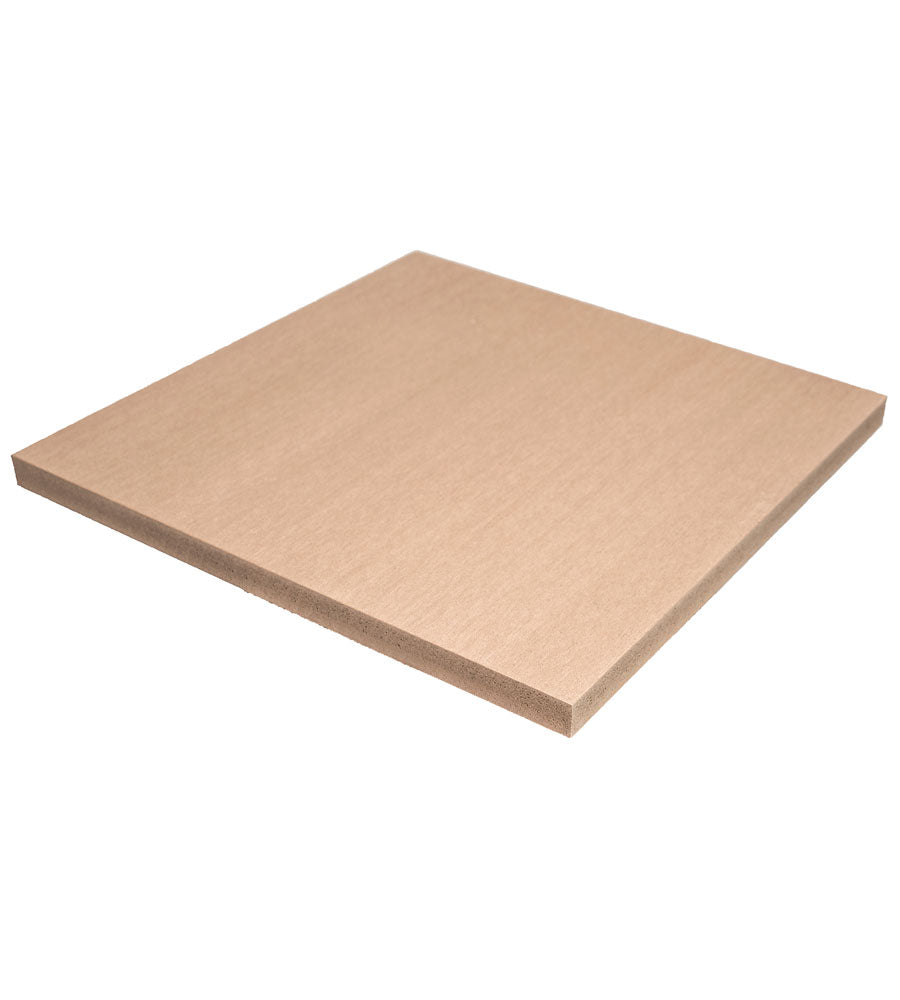
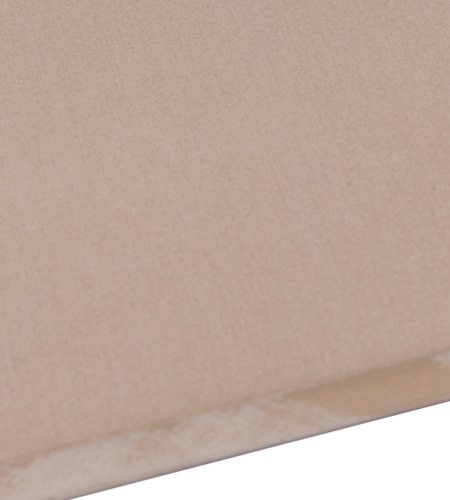
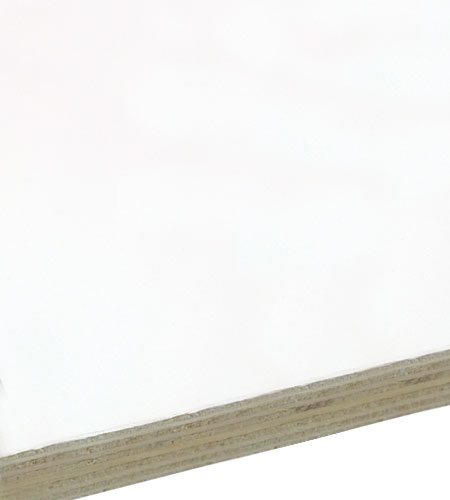
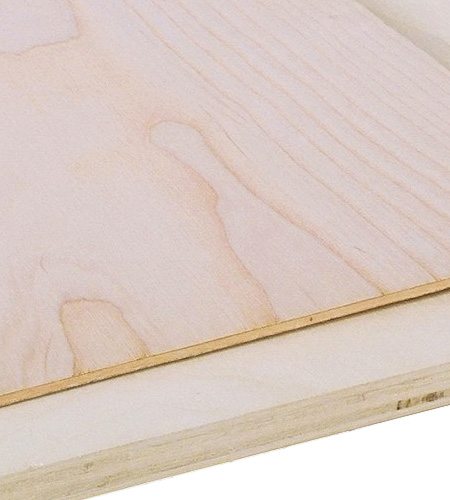
Melamine-faced panels are particleboard or MDF sheets with a thermally fused melamine surface, available at Windsor Plywood in white, almond, and wood-grain prints. The hard, smooth melamine surface is cleanable, scratch-resistant, and ready to use without additional finishing. Melamine panels are the standard material for cabinet box interiors, closet shelving, and furniture carcasses.
Features
- Thermally fused melamine surface -- hard, smooth, and easy to clean
- No additional finishing required -- surface is ready to use
- Available in white, almond, and wood-grain prints
- Standard material for cabinet box interiors and closet shelving
- Consistent thickness and square edges for cabinetry applications
- PVC or ABS edge banding available to finish exposed edges
Specifications
| Typical Sheet Size |
4' x 8' |
| Common Thicknesses |
3/4", 1/2", 5/8" |
| Core |
Particleboard or MDF |
| Surface |
Thermally fused melamine |
| Application |
Cabinet interiors, shelving, furniture carcasses, retail fixtures |
Common Uses
Melamine panels are used for kitchen and bathroom cabinet box construction, closet shelving systems, laundry room shelving, retail display fixtures, and furniture carcasses where a finished, cleanable interior surface is required at a lower cost than solid hardwood or plywood.
Pro Tips
- Apply PVC or ABS edge banding to all exposed edges -- melamine panels have raw particleboard or MDF edges that are not water-resistant and must be covered in cabinetry applications.
- Use a sharp carbide blade when cutting melamine to minimize chipping -- a fine-tooth melamine blade (80-tooth or higher) produces clean cuts.
- Pre-drill pilot holes before driving screws into melamine panels -- the particleboard core splits easily near the edges if screws are driven without pre-drilling.
Frequently Asked Questions
What is the difference between melamine and laminate?
Melamine (TFL) has a thin decorative paper fused directly to the substrate under heat and pressure. High-pressure laminate (HPL) is a thicker, harder decorative panel bonded to the substrate with adhesive. HPL is more durable but significantly more expensive. Melamine is standard for cabinet interiors; HPL is used for countertops and high-wear work surfaces.
Can melamine panels get wet?
The melamine surface is water-resistant but the particleboard or MDF core is not. Exposed edges and drilled holes absorb moisture quickly. Always apply edge banding to exposed edges and use moisture-resistant melamine (HMR core) in kitchens and bathrooms.
 Find Your Store